Define the brief
Operating voltage, energy, continuous and pulse power, duty cycle, size and environment.
OUTPUT / REQUIREMENTS REVIEW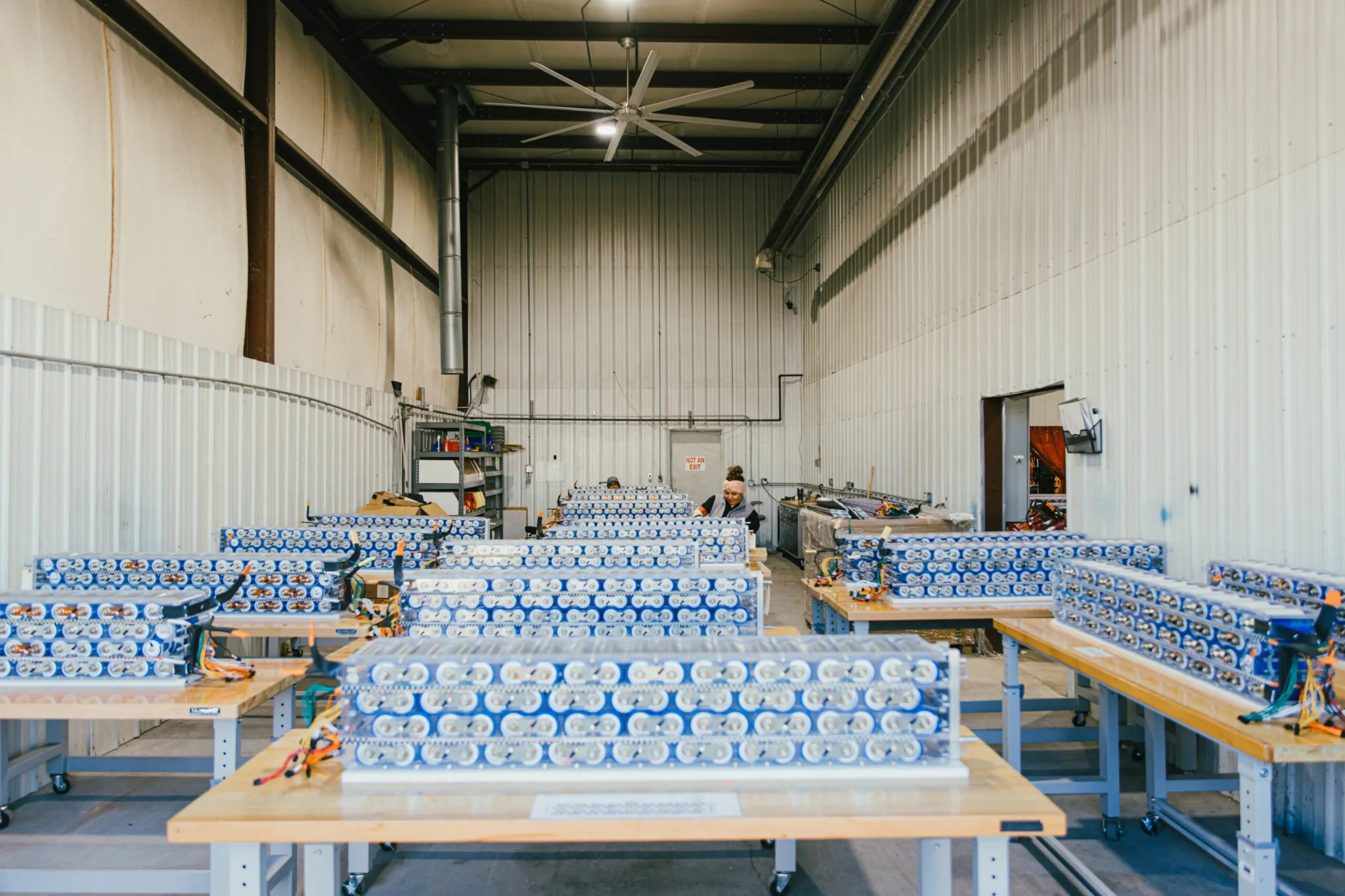
Sodium-ion (SIB) · Lithium titanate (LTO) · LFP · NMC
Cell sourcing, battery pack integration and overseas supply support for equipment makers and system integrators.
Battery module workshop reference · Photo supplied by JLi
One partner.
The complete battery conversation.
Compare commercial cell references and development routes by application.
Browse cell and pack referencesSelect a technology to explore its project focus.
EV BATTERY SERVICE
For LEAF owners and workshops replacing an aging pack or looking for more driving range. JLi reviews the vehicle, original battery bay and BMS interface before recommending a configuration.
JLi’s reference configurations span 24–72 kWh, from donor packs to new-module builds. Capacity figures are configuration references. Confirm usable energy, condition and BMS or kit scope in the proposal.
Confirm model year, chassis, original pack part number, enclosure clearance, BMS and vehicle communications. Agree installation and acceptance checks with a qualified EV workshop.
Choose the capacity around your route and available charging stops. Evaluate faster DC charging separately against the vehicle, BMS communication and charger. A charging-time estimate requires tests on the installed configuration.
Source: JLi’s LEAF configuration list. Figures describe total configuration energy. Confirm the condition, included kit components and BMS scope for each build.
02 / APPLICATIONS
Browse hardware references and open the guide for your application.
01 / PRODUCTS & SOLUTION FINDER
Browse sodium-ion, LTO, LFP and NMC cells, solid-state and UAV evaluation routes, and custom pack services.
Try fewer filters, or send us your requirements for a custom review.
Discuss a custom projectTECHNOLOGY WATCH / REVIEWED 7 NOV 2026
An architecture spanning ultra-high-energy lithium-metal and high-energy sodium-metal research. Evaluate each cell’s energy, lifetime, electrolyte route and project readiness together.
Anode free batteries (AFB) start without a preloaded negative active-material layer. Lithium or sodium from the positive electrode deposits as metal on a current collector during charging. Interface coatings may still be present.
This architecture offers high-energy-density potential by omitting the initial active-material layer. Actual usable energy, metal-inventory loss, lifetime and pack performance depend on the complete design.
Architecture schematic · Not to scale · Lithium and sodium are separate routes, not a mixed-ion cell.
| Route | Starting negative side | What to establish |
|---|---|---|
| Conventional lithium-ion / sodium-ion | A prepared negative active material, such as graphite in lithium-ion or hard carbon in SIB. | Electrode pair, operating window and model-specific data. |
| Reduced-anode designs | A reduced active-material or metal reserve; the exact design varies. | Remaining material, initial metal inventory and the supplier’s definition. |
| Anode free battery / AFB | A current collector with no preloaded negative active-material layer. | Reversible lithium or sodium deposition, inventory loss, interface stability and full-cell life. |
AFB and solid-state describe different design choices. An AFB can use different electrolyte systems. The architecture alone does not establish solid-state construction, safety qualification or low-temperature charging capability.
Solvent-based study. Ding and colleagues used 1,3-dioxane (DOX) in a research pouch cell. Reactions of the solvent helped form a solid interphase at the negative side, improving reversible sodium deposition. A solid interphase can form in a cell with a liquid electrolyte.
Ding et al. · Nature Energy (2026)All-solid-state study. Deysher and colleagues used a solid electrolyte and an aluminium current collector in a research full cell. Their design used intimate contact between the collector and the solid electrolyte.
Deysher et al. · Nature Energy (2024)Full-cell format, test conditions and limits.
Exact sample revision and pack integration plan.
Lot consistency, process controls and qualification.
Actual model, documents and agreed shipment.
Full-cell cycling, test temperature, loading, electrolyte amount, pressure where relevant, end-of-life criterion and independent safety evidence.
Actual voltage window, BMS and charger limits, sustained/pulse loads, operating temperature, dimensions and thermal strategy.
Sample revision, pilot versus production status, lot consistency, transport documents and delivery commitments.
Research, prototype, pilot production and actual delivery are separate evidence stages. Test results and planned capacity do not establish the availability or qualification of a commercial pack.
03 / CUSTOM-PACK SERVICES
From a cell shortlist to an integration-ready specification, we coordinate the work around your system.
Operating voltage, energy, continuous and pulse power, duty cycle, size and environment.
OUTPUT / REQUIREMENTS REVIEWCell options, series/parallel layout, BMS, CAN or RS485, protection and mechanical interfaces.
OUTPUT / DESIGN PROPOSALAgree a validation plan for electrical, thermal and mechanical behavior before scaling.
OUTPUT / SAMPLE & TEST PLANDocumentation, traceability, production checks, logistics and after-sales coordination.
OUTPUT / SUPPLY & SUPPORT PLANSee where the cells, interconnects and battery management system (BMS) sit inside the enclosure.
PROCESS ARCHIVE / PRISMATIC LFP
Six stages, shown through real assembly photographs. Explore the build details and the checks to define for your project.
An illustrative LFP build from the supplied procedure. Materials, sequence and acceptance criteria vary with the approved pack design.
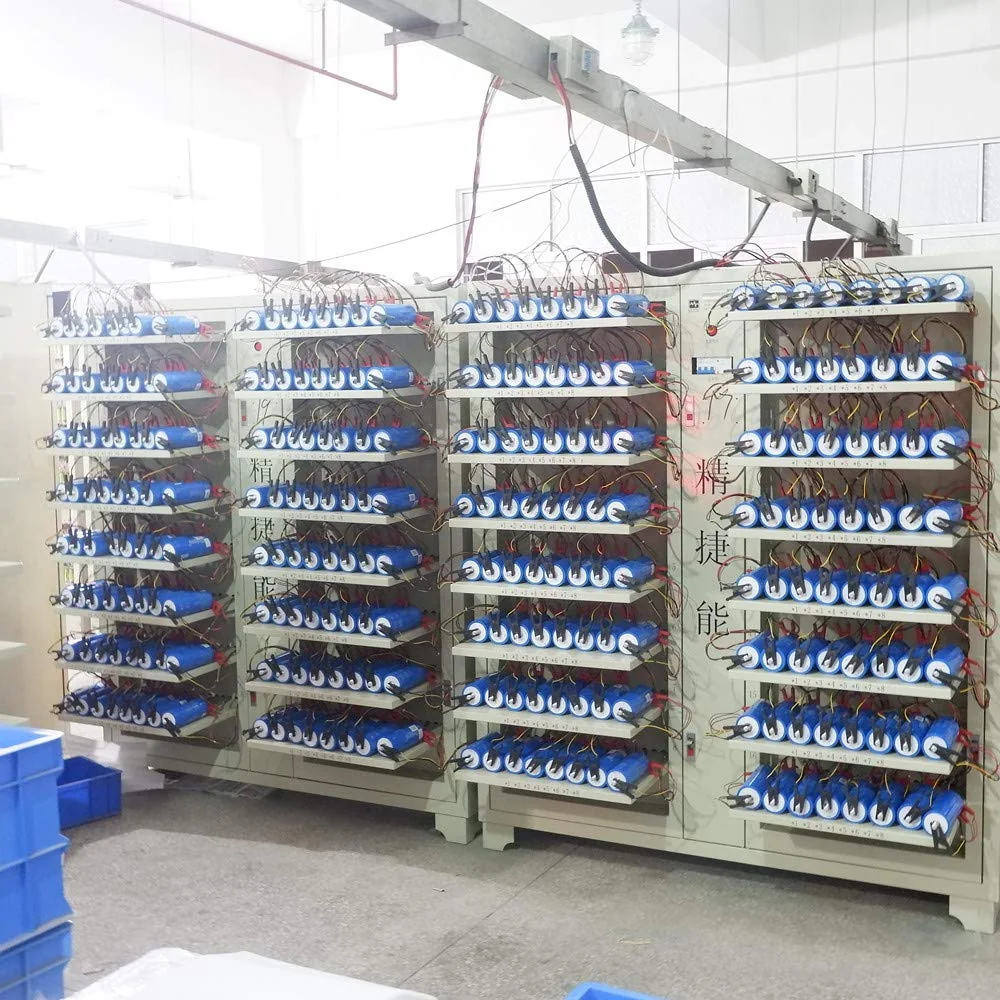
Process archive · 17 June 2022 · Original neutral summary of the supplied production procedure, pp. 2–16. Photographs illustrate assembly operations; they do not establish current output, IP rating, test results or certification.
Building your own packs? We can also discuss cell sourcing, BMS and equipment selection, and overseas assembly setup support.
04 / CUSTOM PACK & MODULE REFERENCES
Images supplied by JLi, with the visible process and intended application explained. Technical scope is confirmed per project.
HARDWARE / A CLOSER LOOK
Browse real photographs by what they show: cell references, pack interfaces, assembly, testing and warehousing. Every view keeps its source context.
Need to assess a similar pack? Send the voltage window, continuous and pulse loads, installation envelope and interface requirements.
Prepare a project briefCheck the evidence against the exact model, revision and destination market before approving a sample or shipment.
Open the independent document checklist and official example
Document status Model-specific certificates, declarations and test reports are reviewed on request. The links below describe the requirements and their scope.
| Requirement | Evidence to review |
|---|---|
| UN 38.3Transport | Request the applicable test summary for the exact cell or battery and confirm shipment documents and packaging for the route. |
| IEC 62619 / IEC 62133-2Lithium battery safety | Match the industrial or portable scope to the end use. Request the relevant report and check which cell or battery revision it covers. |
| UL 1642 / UL 2054 / UL 1973North American project review | Confirm with the buyer or lab which standard applies to the cell, pack or stationary application, then match the file to the proposed model. UL 9540A addresses thermal runaway fire propagation testing. |
| EU battery conformity / CEMarket access | Confirm the battery category, applicable conformity assessment, EU declaration of conformity and supporting technical documentation. |
| ISO 9001Quality management | Where required, verify the certificate’s legal entity, facility, scope and validity. Review lot traceability, inspection records and pack acceptance evidence with the supplier. |
Open the source catalogues, look up a specific model, or prepare a request for current specifications and test evidence.
Browse individual model pages and downloads
Compare cell, module and pack entries from the stated source editions. Confirm dimensions and tolerances, current limits, test conditions and availability against the current datasheet and exact revision.
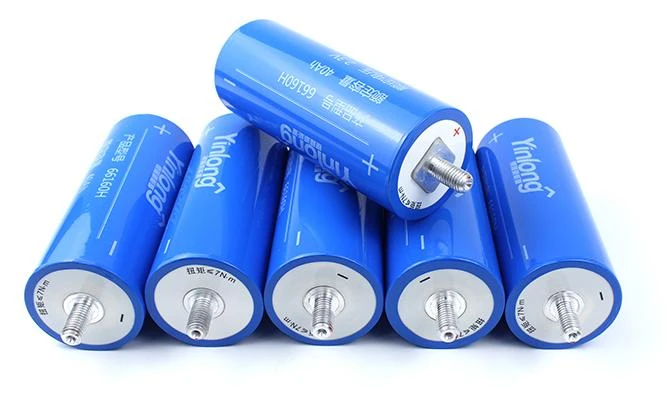 CATALOGUE PRODUCT IMAGE
2.3V · 40Ah · Ø66 × 161mm
The legacy pages reuse the same detail gallery. Use the full marking on the actual cell and the current terminal drawing to check identity and fit. For UPS or custom packs, confirm the datasheet revision, current limits and cycle-test conditions for the proposed cell.
Gree Electric’s 2016 filing separately identifies a 40 Ah 66160H test reference. Match the manufacturer and revision before treating any of these references as interchangeable.
| Model / format | Chemistry / range | Nominal voltage | Capacity | Dimensions | Weight | Reference |
|---|
Try a shorter model number or reset the category and format.
Open a model for source details, or build a comparison shortlist.
06 / OVERSEAS SUPPORT
Shenzhen-based cell sourcing and pack coordination, with storage and dispatch arranged through freight-forwarding warehouse partners in Warsaw, Madrid and Chicago.
Confirm the model, quantity, stock location, documentation and handover terms before planning collection or delivery.
Poland partner warehouse photograph supplied by JLi. Stock and dispatch arrangements are confirmed per order.
07 / NEWS & INSIGHTS
Practical selection notes for battery buyers and integration teams.
These are engineering explainers. Time-sensitive prices, stock and market announcements are confirmed separately.
08 / LET’S BUILD YOUR BRIEF
Tell us what the battery needs to do. We’ll use that to start a focused conversation about cells, packs and supply.